
How to Find Student Housing Abroad Without Getting Scammed
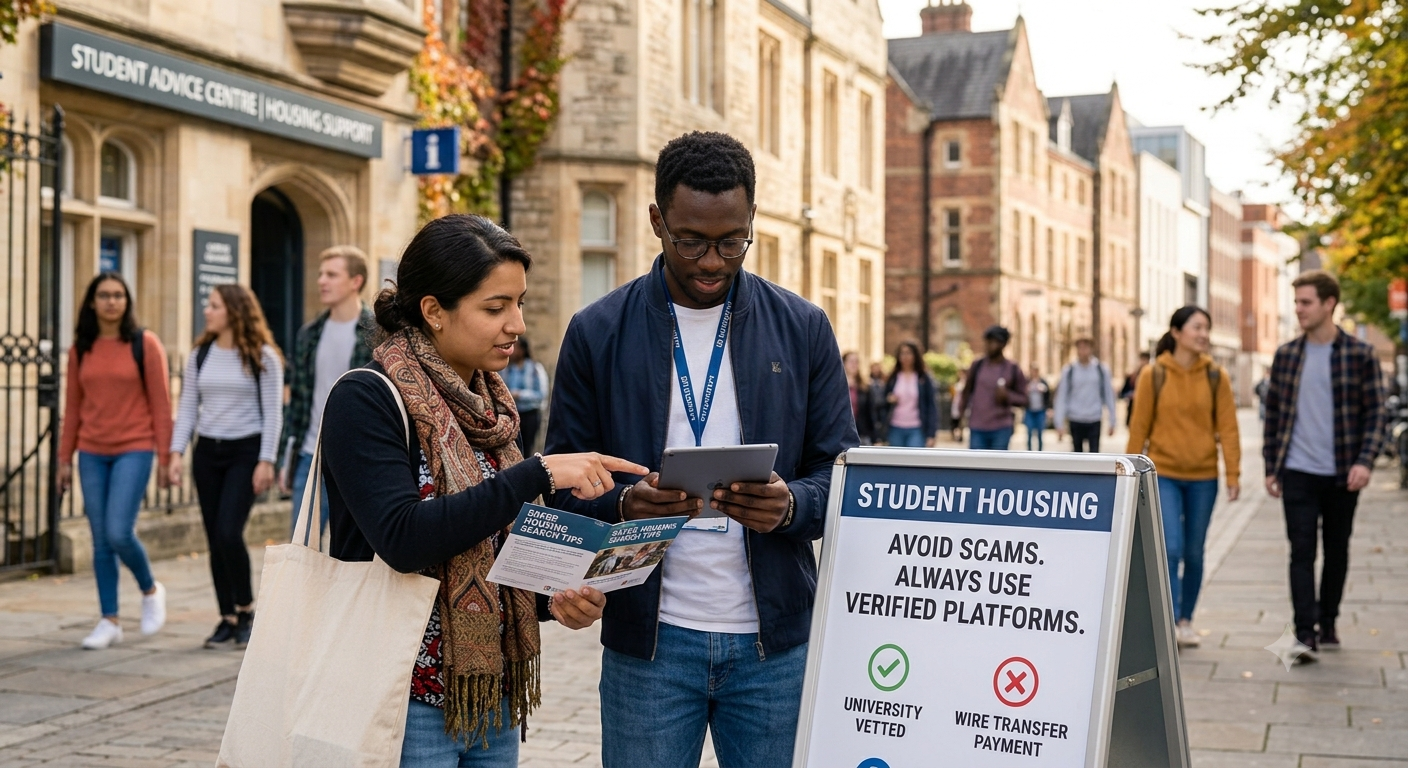
How to Find Student Housing Abroad
Without Getting Scammed
Securing a place to live is one of the most exciting steps when preparing to study abroad. However, searching for accommodation in a city thousands of miles away can also make you a target for housing scams. Rental scams targeting international students are increasingly common, but with the right knowledge, you can protect yourself and land a safe, comfortable home.
Here is your ultimate guide to finding student housing abroad securely.
1 Common Student Housing Scams to Watch Out For
Before you start searching, it helps to recognize what a scam looks like. The most frequent traps include:
- The "Out-of-Country" Landlord: The landlord claims they are currently abroad (on a mission trip, military deployment, or business trip) and cannot meet you or show the apartment in person.
- Pay Before Viewing: You are asked to wire money via non-refundable methods (like Western Union, money orders, or cryptocurrency) before seeing the property or signing a contract.
- Fake Listings: Scammers copy legitimate real estate listings, lower the price significantly, and post them on unauthorized platforms like public classified ads or social media groups.
- Too Good to Be True Prices: A luxury apartment in a prime city center offered at half the average market rate is almost always a red flag.
2 Best Practices for a Safe Housing Search
Start with Official Campus Resources
Your university’s International Student Office or Housing Department should always be your first point of contact. Many institutions maintain lists of vetted landlords, partner with trusted student housing providers, or offer university-managed dormitories.
Use Verified Booking Platforms
Avoid looking for long-term housing on unverified public forums or social media groups. Stick to reputable student accommodation platforms (such as Student.com, AmberStudent, or HousingAnywhere) that offer cancellation policies and secure payment processing.
Never Wire Cash Directly
Legitimate agencies and landlords will provide formal payment channels, such as bank transfers to a business account or secure online portals. Never send money via peer-to-peer cash transfer services, gift cards, or cryptocurrency.
| Safe Payment Methods | High-Risk Payment Methods |
|---|---|
| Escrow services via official platforms | Wire transfers (Western Union, MoneyGram) |
| Traceable bank-to-bank transfers | Peer-to-peer payment apps to personal accounts |
| Credit card payments (offers fraud protection) | Cryptocurrency or Prepaid Gift Cards |
3 Verify Before You Pay
If you are renting from an independent landlord rather than university dorms, take these extra verification steps:
- Request a Virtual Tour: If you cannot inspect the property in person, ask for a live video walkthrough (via Zoom, FaceTime, or WhatsApp) where the host walks through the space and opens doors or windows on command.
- Cross-Check Images: Perform a reverse image search on Google using the photos provided in the listing. If the same photos pop up under different addresses in different cities, it is a scam.
- Check Public Records or Reviews: Look up the exact address on street maps to confirm the building exists. Search for reviews of the landlord or property management company online.
- Review the Lease Carefully: Do not send a security deposit until you have received and read a formal rental agreement. Ensure key details—such as the exact address, rental period, deposit return conditions, and landlord contact details—are clearly stated.
4 Consider Short-Term Housing First
If you feel uncertain about booking a place long-term before arriving in your host country, book a temporary stay for your first 1–2 weeks.
Staying in a verified hostel, university guest house, or short-term rental gives you time to visit properties in person, meet potential roommates, inspect the neighborhood, and sign a lease safely after you land.
What to Do If You Suspect a Scam
- Stop Communication: Break off contact with the individual immediately.
- Report the Listing: Flag the profile or post on the platform where you found it.
- Contact Your University: Alert your university’s international office so they can warn other arriving students.
- Report to Local Authorities: If you have already lost funds, report the incident to the local police in your destination city and your bank to attempt a transfer recall.
Finding a home abroad doesn’t have to be a gamble. Stay informed, trust your instincts, and always take that extra moment to verify. Safe travels and happy house hunting!
— EdBirds editorial team